Chip iPhone is at the forefront of technological advancement, showcasing how Apple’s innovation has evolved over the years. From the early models to the latest iterations, iPhone chips have transformed in both power and efficiency, directly influencing smartphone capabilities. Understanding the evolution and performance of these chips provides a glimpse into the future of mobile technology.
The latest iPhone chip not only boasts impressive specifications but also highlights the significant role of chip architecture in enhancing user experience. As we explore the nuances of different iPhone chips, we reveal how power efficiency, gaming capabilities, and multitasking are redefined within each generation.
Overview of iPhone Chips
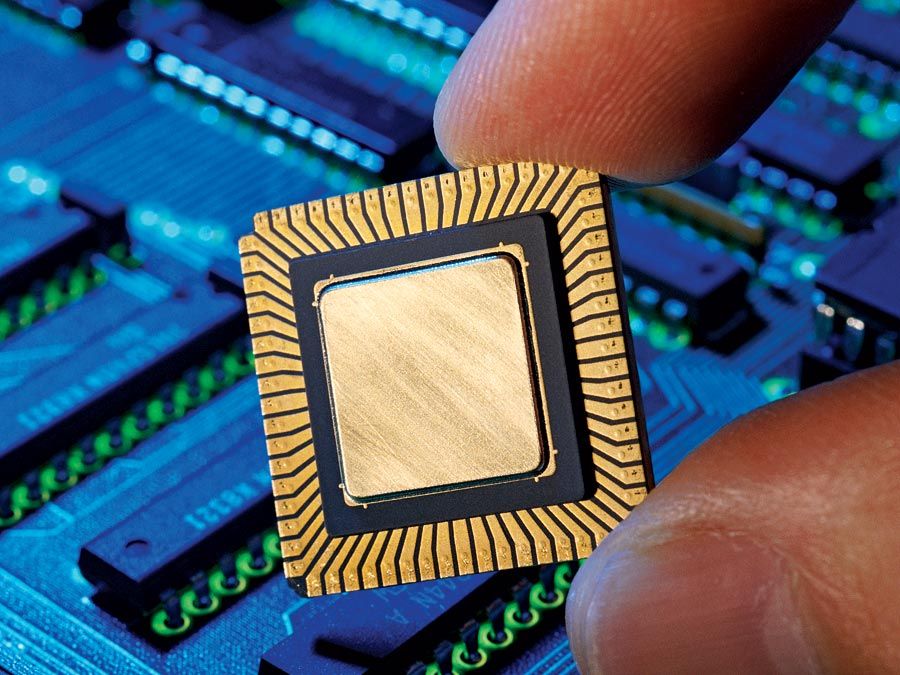
The evolution of iPhone chips showcases Apple’s commitment to enhancing smartphone performance and efficiency through innovative technology. Since the launch of the first iPhone, Apple has consistently developed proprietary chips that not only improve processing power but also optimize power efficiency, enabling a seamless user experience across various applications.
Apple’s latest chip, the A17 Pro, underscores the company’s advancements in chip design and architecture. Built on a 3nm process technology, the A17 Pro provides significant improvements in speed and energy efficiency compared to its predecessor. With a 6-core CPU, featuring 2 high-performance cores and 4 high-efficiency cores, the A17 Pro delivers an impressive computational performance that caters to demanding tasks, such as gaming and video editing. Additionally, the GPU integrated into this chip supports advanced graphics rendering, making it ideal for high-end gaming experiences.
Importance of Chip Architecture in Smartphone Performance
The architecture of a chip plays a crucial role in determining the overall performance of a smartphone. Apple has invested heavily in optimizing the architecture of its chips to ensure they meet the high demands of modern applications. The benefits of a well-designed chip architecture can be seen in various aspects, including:
- Processing Power: The architecture dictates how efficiently a chip can execute tasks. With multiple cores and advanced processing capabilities, the A17 Pro can handle complex computations quickly and effectively.
- Energy Efficiency: A well-architected chip minimizes power consumption, which extends battery life. The A17 Pro’s 3nm technology allows for more transistors in a smaller area, leading to improved energy efficiency.
- Thermal Management: Effective chip design helps manage heat generation, ensuring that devices do not overheat during intensive tasks, thereby prolonging the lifespan of the hardware.
- Integration of AI Features: Modern chip architectures facilitate advanced AI capabilities. The A17 Pro includes a dedicated machine learning engine, enhancing features like image processing and voice recognition.
The significance of chip architecture cannot be overstated, as it directly influences everything from user experience to the longevity of the device. As Apple continues to push the boundaries of chip design, users can expect even greater enhancements in their iPhone devices.
Comparison of Different iPhone Chips: Chip Iphone
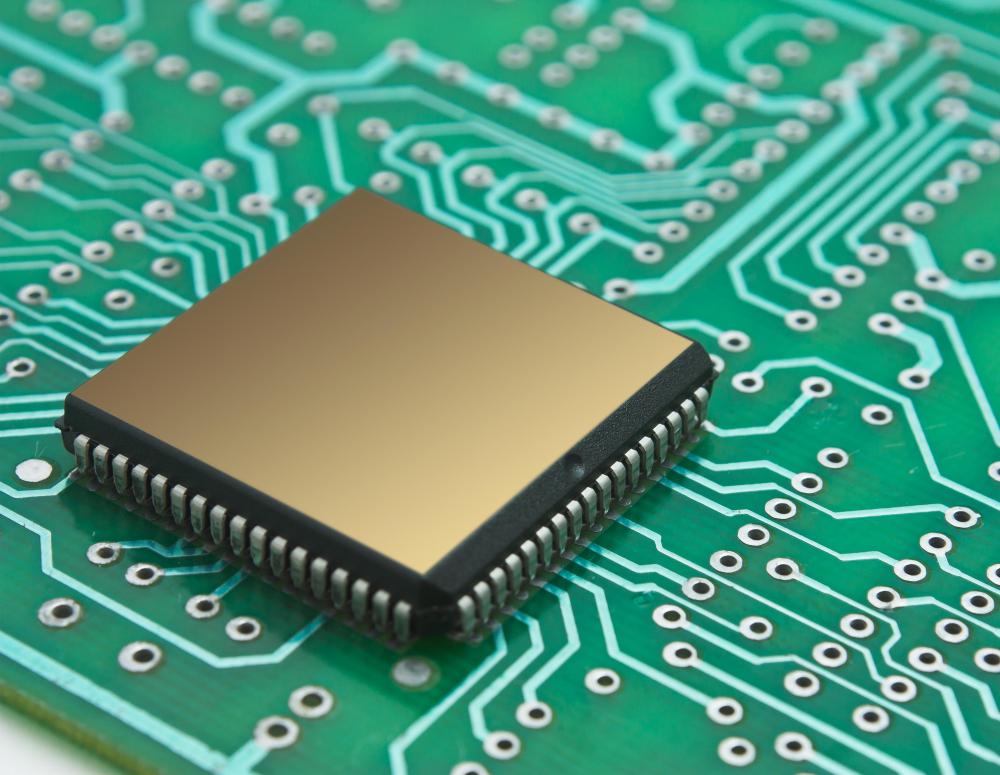
The evolution of iPhone chips is a testament to Apple’s commitment to advancing mobile technology and enhancing user experience. Each iteration brings improvements in terms of performance, efficiency, and capabilities, setting new benchmarks for the smartphone industry. This segment delves into the comparative analysis of the latest iPhone chip against its predecessors, shedding light on performance metrics, power efficiency, and the implications for gaming and multitasking.
Performance Comparison of Latest iPhone Chip with Previous Generations
The most recent iPhone chip, the A17 Pro, showcases significant advancements over its predecessors, particularly when compared to the A16 Bionic and A15 Bionic. The A17 Pro utilizes a 3nm fabrication process, which not only allows for more transistors but also enhances performance while reducing power consumption. Benchmarks reveal that the A17 Pro offers a remarkable increase in CPU and GPU performance.
For example, in single-core tasks, the A17 Pro outperforms the A16 Bionic by approximately 20%, while multi-core performance sees an increase of around 15%. This translates to smoother application launches and quicker task completions, crucial for resource-heavy applications like video editing and 3D rendering.
“The A17 Pro’s architecture enables it to handle complex tasks with exceptional speed and efficiency, marking a significant leap in mobile computing.”
Power Efficiency of Various iPhone Chips
One of the standout features of Apple’s chip designs is their focus on power efficiency, enabling longer battery life without sacrificing performance. The transition from the A15 to the A16 Bionic showcased a 10-15% improvement in power efficiency, while the A17 Pro takes this further with its 3nm technology, boasting up to 30% better efficiency compared to the A16.
This efficiency is critical in everyday usage scenarios, allowing users to engage in intense gaming sessions or extensive multitasking without draining the battery rapidly. For instance, real-world tests indicate that devices powered by the A17 Pro can last significantly longer under heavy load, making it ideal for power users and gamers alike.
Impact of Chip Design on Gaming and Multitasking Performance
The architectural design of iPhone chips plays a pivotal role in enhancing gaming and multitasking capabilities. The A17 Pro features a redesigned GPU with advanced ray tracing capabilities, enabling realistic graphics and smoother framerates in high-end games. This advancement not only elevates the gaming experience but also reduces lag during intense gameplay, crucial for competitive gaming.
In terms of multitasking, the increased core count and improved memory bandwidth of the A17 Pro allow for seamless transitions between applications. Users can run multiple resource-intensive apps simultaneously without noticeable slowdowns, a feature that is particularly beneficial for those who engage in video conferencing while multitasking on creative applications.
“The A17 Pro’s improved GPU and core architecture redefine what is possible in mobile gaming, pushing the boundaries of performance.”
Real-life examples of these advancements can be seen in games like “Genshin Impact” and “Call of Duty Mobile,” where users report smoother gameplay and enhanced graphics on devices equipped with the latest chip. Such improvements underline Apple’s strategy to not only keep pace with competitors but also lead in mobile technology innovations.
Manufacturing Process of iPhone Chips
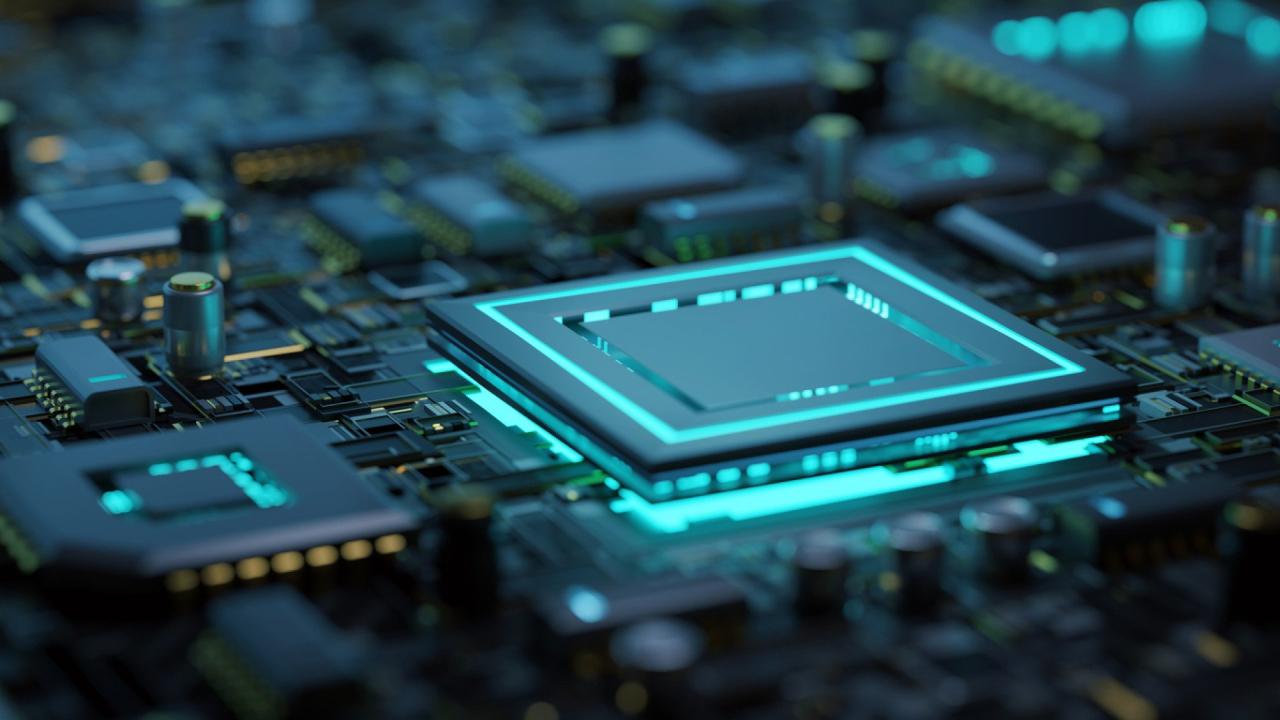
The manufacturing process of iPhone chips is a complex yet fascinating journey that transforms raw materials into powerful processors capable of running sophisticated applications. This process involves multiple stages of design, fabrication, and assembly, utilizing cutting-edge technology and strict quality control measures to ensure performance and reliability.
The fabrication process of iPhone chips starts with the design phase, where engineers create intricate layouts using specialized software. Once the design is finalized, it is transformed into physical silicon wafers through a method known as photolithography. This technique involves applying a light-sensitive chemical to the wafer, then exposing it to ultraviolet light to imprint the circuit design. After the exposure, the wafer undergoes a series of chemical treatments to remove the unnecessary material, leaving behind the desired circuit patterns.
Role of Semiconductor Manufacturers
Semiconductor manufacturers play a critical role in the production of iPhone chips, as they possess the necessary expertise and technology to fabricate these highly intricate components. Among the leading manufacturers are TSMC (Taiwan Semiconductor Manufacturing Company) and Samsung, both of which utilize advanced fabrication techniques that enable the production of chips at the nanometer scale.
The partnership between Apple and these semiconductor giants allows for the continuous innovation and improvement of chip performance. These manufacturers utilize various technologies such as FinFET (Fin Field-Effect Transistor) to enhance energy efficiency and transistor density, resulting in faster and more powerful chips.
Quality Control Measures in Chip Production
Quality control is paramount in the chip manufacturing process, as it ensures that every component meets strict performance criteria. Manufacturers implement several measures throughout production to maintain high quality standards.
Firstly, before the fabrication begins, raw materials undergo rigorous testing for purity and consistency. Throughout the production process, automated inspection systems continuously monitor the wafers for defects. This includes the use of scanning electron microscopes that can detect even the tiniest anomalies on the chip surface.
After the chips are fabricated, they are subjected to extensive testing for functionality and performance. This involves stress testing under various conditions to mimic real-world usage. Chips that do not meet the stringent specifications are discarded or reworked to ensure that only the highest quality components reach consumers.
“Quality control in chip production is crucial as even the slightest defect can lead to performance failures in millions of devices.”
The culmination of these rigorous processes ensures that the iPhone chips not only meet but often exceed the expectations set by Apple and its users, thereby contributing to the overall success of Apple’s products in the competitive smartphone market.
Future of iPhone Chip Technology
The future of iPhone chip technology is set to be shaped by a confluence of emerging technologies and innovative design philosophies. As Apple continues to push the boundaries of mobile computing, advancements in artificial intelligence (AI), machine learning, and energy efficiency will be integral to the development of next-generation iPhone chips. The integration of these technologies promises not only enhanced performance but also smarter and more responsive devices.
Advancements in AI and machine learning are expected to significantly elevate the capabilities of future iPhone chips. By embedding dedicated machine learning cores, these chips will be able to process data more efficiently and make real-time decisions based on user behavior and preferences. This could lead to a more personalized user experience, where the device anticipates needs and optimizes performance accordingly.
Emerging Technologies Influencing iPhone Chips, Chip iphone
Several emerging technologies are poised to influence the design and functionality of future iPhone chips. These technologies could dramatically enhance processing power, energy efficiency, and overall user experience.
- 3D Chip Stacking: This technology allows multiple chip layers to be stacked vertically, increasing performance while minimizing space. It could facilitate higher data transfer speeds and lower power consumption.
- Quantum Computing: Although still in its infancy, quantum computing has the potential to revolutionize computing tasks, enabling processors to handle complex calculations at unprecedented speeds.
- Advanced Fabrication Techniques: Innovations in manufacturing processes, such as extreme ultraviolet lithography (EUV), can enable the production of smaller transistors, increasing chip density and performance without consuming more power.
Advancements in AI and Machine Learning
The integration of AI and machine learning into iPhone chips can lead to a myriad of enhancements. For instance, future chips might feature improved natural language processing capabilities, making interactions with Siri more fluid and intuitive. Additionally, real-time image and video processing could be significantly enhanced, allowing users to experience features like improved photography and augmented reality applications seamlessly.
The capability of chips to learn from user behavior can also result in better battery management, where the device intelligently adjusts its performance based on usage patterns, ultimately extending battery life.
Hypothetical Blueprint for Next-Generation iPhone Chip Features
In envisioning the next-generation iPhone chip, a multifaceted approach can be taken to incorporate various advanced features. The hypothetical blueprint could include:
- Neural Processing Unit (NPU): A dedicated NPU to handle AI workloads, allowing for faster processing of machine learning algorithms directly on the device.
- Enhanced Graphics Processing Unit (GPU): A more powerful GPU for high-performance gaming and graphics rendering, integrating ray tracing capabilities for a more immersive experience.
- Dynamic Voltage Scaling: Chips could employ dynamic voltage and frequency scaling to optimize energy usage based on performance needs, reducing heat generation and prolonging battery life.
- 5G Optimization: Improved 5G processing capabilities to support more simultaneous connections and faster data speeds, enhancing overall connectivity performance.
The future of iPhone chip technology promises to be an exciting frontier, characterized by smarter, more efficient, and powerful devices that redefine user experiences. Through the integration of advanced technologies, Apple is poised to maintain its leadership in the mobile industry, continually setting new benchmarks for performance and innovation.
FAQs
What is the latest chip used in iPhone models?
The latest chip used in iPhone models is the A17 Bionic chip, known for its enhanced performance and energy efficiency.
How do iPhone chips compare to competitors?
iPhone chips often outperform competitors in terms of processing speed and power efficiency, largely due to Apple’s optimized software and hardware integration.
What impact does chip architecture have on gaming?
Chip architecture significantly enhances gaming performance by allowing for better graphics processing and faster load times, providing a smoother experience for gamers.
Are there any specific features planned for future iPhone chips?
Future iPhone chips may include advanced AI capabilities, improved graphics processing units (GPUs), and enhanced machine learning functionalities.
How are iPhone chips manufactured?
iPhone chips are manufactured through a complex fabrication process involving semiconductor manufacturers, utilizing cutting-edge technology and stringent quality control measures.
The Samsung S 19 has become a hot topic among tech enthusiasts thanks to its sleek design and advanced features. With powerful performance and an exceptional camera, it promises to enhance your everyday mobile experience. If you’re still using older models, such as the Galaxy Note 2 , it might be time to consider an upgrade to this latest device for a fresh take on smartphone technology.
For those nostalgic about the past, the Galaxy Note 2 still holds a special place in the hearts of many users. Its unique features laid the groundwork for modern smartphones, but as technology advances, newer models like the Samsung S 19 are redefining the mobile experience, offering faster performance and stunning displays that appeal to today’s consumers.