samsung galaxy note 7 makes a striking entrance as a pivotal device in smartphone evolution, captivating tech enthusiasts and the general public alike. Launched in 2016, it was celebrated for its cutting-edge features like the stunning display and S Pen functionality, but its legacy is forever marred by unprecedented battery issues. This paradoxical nature of innovation and failure paved the way for significant shifts in safety protocols within the tech industry.
From its ambitious launch to the turmoil that followed, the Galaxy Note 7 stands as a case study in both technological advancement and crisis management. It was targeted at professionals and creatives seeking premium performance, but the explosive challenges it faced led to a massive recall, compelling Samsung to rethink its strategies and protocols.
Overview of Samsung Galaxy Note 7

The Samsung Galaxy Note 7, launched in August 2016, marked a significant moment in the evolution of smartphones. It was the culmination of Samsung’s efforts to blend high-performance technology with user-friendly design, aimed at a demographic that values both productivity and style. The Note series, known for its large display and S Pen functionality, was further enhanced with the Note 7, making it a pivotal launch in Samsung’s smartphone line-up.
The Galaxy Note 7 was distinguished by several key features and specifications that set it apart from its competitors. With its 5.7-inch Super AMOLED display, it offered vibrant colors and deep blacks, providing an immersive viewing experience. The device was powered by a Qualcomm Snapdragon 820 or Exynos 8890 processor, depending on the market, and was equipped with 4GB of RAM, ensuring smooth performance for multitasking and demanding applications. Notably, the device featured an IP68 rating for water and dust resistance, a first for the Note series, enhancing its durability for users with active lifestyles. Furthermore, the 12MP dual pixel rear camera allowed for stunning photography, while the inclusion of a 3,500mAh battery with fast charging capabilities ensured all-day usage.
Target Audience and Market Positioning
The Galaxy Note 7 was strategically targeted at professionals and tech enthusiasts who sought a device that catered to both work and leisure. This audience valued productivity features, such as the S Pen, which facilitated note-taking and creative tasks, as well as the large display that enhanced multitasking capabilities. Samsung’s marketing positioned the Note 7 as not just a smartphone, but a powerful tool for business and creativity.
The market positioning of the Galaxy Note 7 was reinforced through its premium pricing strategy, appealing to affluent consumers willing to invest in high-quality technology. Samsung also aimed to capture the growing market for phablets, catering to users who preferred larger screens for media consumption and enhanced productivity. The Note 7’s innovative features, such as the iris scanner for secure unlocking, further solidified its standing as a leader in the premium smartphone segment.
In summary, the Galaxy Note 7 represented a blend of cutting-edge technology and user-centric design, aimed at a demanding audience that sought the very best in mobile performance and functionality. Its launch was not only a testament to Samsung’s innovation but also a reflection of evolving consumer needs in the smartphone market.
Battery Issues and Recall
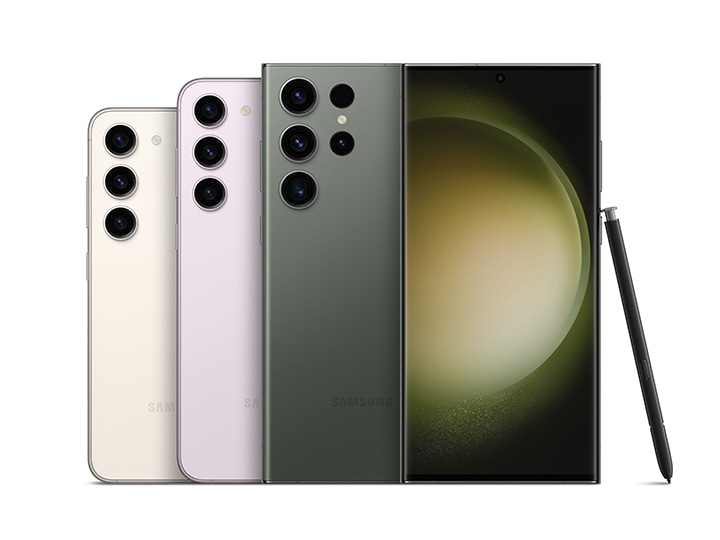
The Samsung Galaxy Note 7, initially celebrated for its innovative features and robust performance, quickly became infamous due to severe battery-related incidents. These problems not only tarnished Samsung’s reputation but also raised significant safety concerns among consumers worldwide.
The battery explosions associated with the Galaxy Note 7 began to surface shortly after the device’s launch in August 2016. Reports emerged of the phone catching fire or exploding during charging or normal use. The incidents prompted Samsung to investigate the matter rigorously. Initial findings indicated a manufacturing defect in the batteries from one of the suppliers, leading to short-circuits. However, even after a recall in September 2016, which involved replacing the faulty batteries with ones from a different manufacturer, several devices continued to report similar issues. This led to the decision for a second, more comprehensive recall in October 2016, ultimately resulting in the discontinuation of the Galaxy Note 7 altogether.
Recall Process and Customer Reactions
The recall process initiated by Samsung was extensive and marked by both proactive and reactive communication strategies. Upon the initial reports of battery issues, Samsung promptly advised consumers to stop using their devices and return them for a refund or exchange. The company set up numerous channels for customers to facilitate the return process, including online services and in-store exchanges. The media coverage of the recall was extensive, with headlines capturing the growing alarm over device safety, which fueled public skepticism about Samsung’s quality control measures.
Customer reactions varied widely. Many early adopters expressed disappointment and frustration over the inconvenience and safety risks associated with the device. Some felt that Samsung’s handling of the situation was commendable, noting the company’s swift action to address the safety issues. However, others remained skeptical about the brand’s integrity, fearing lingering safety risks even after the recall. The comprehensive media coverage contributed to a narrative that painted Samsung as a company struggling to manage a crisis, despite their best efforts to ensure consumer safety.
Comparative Analysis of Crisis Management
Samsung’s handling of the Galaxy Note 7 crisis can be contrasted with how other tech companies have responded to similar issues in the past. For instance, when General Motors faced ignition switch defects in 2014, the company was criticized for its slow response and lack of transparency. In contrast, Samsung’s immediate recall and extensive media outreach were initially viewed as proactive measures, though the failure to prevent a second wave of incidents overshadowed those efforts.
In another example, Apple has dealt with battery issues across various iPhone models, yet their response has often included a more controlled and gradual approach, emphasizing customer communication and service enhancements rather than immediate recalls. The contrast in strategies between Samsung and these companies highlights the importance of effective crisis communication and timely action in maintaining consumer trust.
The Galaxy Note 7 case serves as a crucial lesson for the tech industry, illustrating the need for rigorous quality assurance processes and the critical role of transparent communication in crisis management.
Impact on Samsung’s Brand and Business: Samsung Galaxy Note 7
The Galaxy Note 7 crisis presented a pivotal moment for Samsung, challenging its reputation and business operations on multiple levels. The fallout from the battery issues not only affected consumer trust but also had significant financial repercussions that reverberated through the company’s market standing. Understanding the implications of this incident is crucial for analyzing the brand’s resilience and future trajectory.
Effects on Reputation
The repercussions of the Galaxy Note 7 incident were immediate and profound, resulting in a sharp decline in consumer confidence. Samsung, which had long been synonymous with innovation and quality, faced scrutiny from both media and consumers.
- The recall of approximately 2.5 million devices led to widespread media coverage, portraying Samsung as a manufacturer that failed to prioritize safety, which tarnished its reputation in the short term.
- Long-term effects included a shift in consumer perception, as many users began to question the reliability of Samsung products, leading to a potential loyalty crisis.
- The incident prompted competitors to capitalize on the situation, using it as a marketing opportunity to highlight their own products’ safety and reliability.
Influence on Product Development and Safety Protocols
In response to the crisis, Samsung undertook significant revisions to its product development strategies and safety protocols.
- The company established a new set of rigorous safety checks, known as the “8-Point Battery Safety Check,” which includes comprehensive testing for voltage, capacity, and short-circuiting risks.
- Samsung implemented a more consumer-focused approach in its design processes, integrating user feedback more thoroughly to mitigate future risks.
- Enhanced collaboration with battery manufacturers was emphasized to ensure that all components met strict safety standards, further safeguarding against potential failures.
Financial Implications and Market Share, Samsung galaxy note 7
The financial impact of the Note 7 recall was significant, leading to an estimated loss of $5.3 billion for Samsung, which affected its overall market performance.
- Sales revenue dropped sharply during the recall period, impacting Samsung’s profitability and leading to a temporary decline in market share in the premium smartphone segment.
- Despite the setbacks, Samsung’s quick response and recovery efforts, including promotional incentives and the introduction of new devices, enabled it to regain market share relatively swiftly.
- In the aftermath, Samsung’s commitment to safety and quality has begun to restore consumer trust, with reports indicating that it has regained a substantial portion of its previous market position.
“Samsung’s ability to rebound from the Note 7 crisis demonstrates the importance of swift action and transparency in restoring consumer confidence.”
Legacy of the Galaxy Note 7
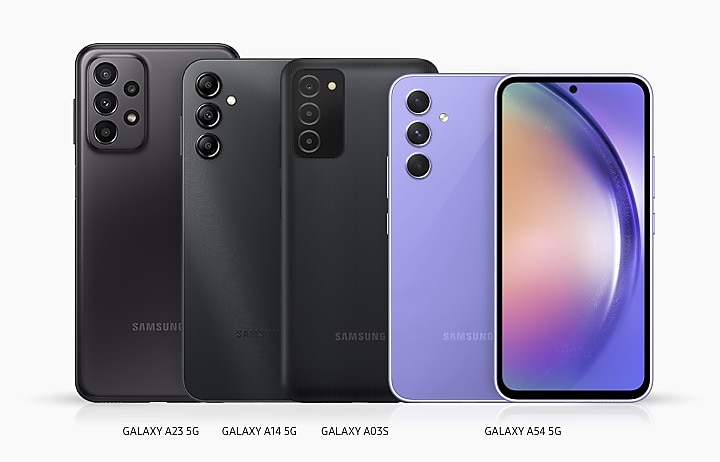
The legacy of the Samsung Galaxy Note 7 extends beyond its short-lived existence, leaving an indelible mark on the smartphone industry. Its design and features not only influenced subsequent models but also prompted significant changes in manufacturing practices across the tech landscape. This incident serves as a critical case study in risk management, consumer trust, and innovation.
The Galaxy Note 7’s aesthetic and functional elements have been observed in later models, illustrating how its design principles were absorbed by the industry. The device was praised for its sleek design, vibrant display, and S Pen integration, which set a standard for future smartphones. Other manufacturers quickly adopted features like edge displays and improved stylus functionality, as seen in devices such as the Samsung Galaxy S8 and subsequent models from competitors like Apple and Google.
Design Influence on Subsequent Smartphone Models
The design elements of the Galaxy Note 7 influenced not only Samsung’s future phones but also competitors. Its combination of premium materials, such as glass and metal, along with an immersive display, became a benchmark for flagship devices. The following points highlight the design evolution initiated by the Note 7:
- Sleek Aesthetics: The curvaceous design of the Note 7 inspired the industry trend toward edge-to-edge displays, leading to the introduction of similar designs in flagship models from various brands.
- Enhanced S Pen Features: The functionality and integration of the S Pen became a key selling point for future Note models and influenced competitors to innovate stylus technology, as seen with the Microsoft Surface line.
- Focus on Display Quality: The Galaxy Note 7’s Super AMOLED display set a high standard for color accuracy and brightness, prompting other brands to enhance their display technologies.
Lessons Learned and Current Industry Practices
The Note 7 recall incident highlighted significant lessons regarding safety protocols and quality assurance. It forced manufacturers to reassess their testing processes and safety standards. Key lessons include:
- Rigorous Testing: Manufacturers now implement more stringent testing protocols, including multi-layered safety assessments, to ensure battery performance and reliability.
- Transparency in Communication: The incident necessitated clearer communication between manufacturers and consumers, influencing how companies handle recalls and product safety announcements.
- Focus on Consumer Education: Post-Note 7, the industry recognized the importance of educating consumers about product safety and proper usage to prevent potential hazards.
Consumer Trust Evolution Since the Galaxy Note 7
The Galaxy Note 7 incident profoundly impacted consumer trust in technology brands. The aftermath required companies to rebuild this trust through transparency and commitment to safety. Notable shifts in consumer sentiment include:
- Increased Skepticism: Initial enthusiasm for new releases has been tempered by caution, leading consumers to prioritize safety and reliability over cutting-edge features.
- Demand for Accountability: Consumers now expect brands to take responsibility for product safety, influencing how they perceive companies that are proactive in addressing issues.
- Brand Loyalty Reevaluation: The incident prompted consumers to reassess their brand loyalties, with many choosing brands that prioritize safety and ethical practices over mere innovation.
The legacy of the Galaxy Note 7 serves as a critical reminder of the balance between innovation and safety in technology. As the industry continues to evolve, the lessons learned from this experience inform better practices, ensuring that consumer trust remains a top priority.
Detailed FAQs
What were the standout features of the samsung galaxy note 7?
The Galaxy Note 7 featured a 5.7-inch curved Super AMOLED display, an improved S Pen with new functionalities, and advanced security with an iris scanner, making it a premium device at its launch.
How did the battery issues affect Samsung’s market share?
The battery issues led to a significant loss in consumer trust and a temporary decline in Samsung’s market share, with the company facing intense scrutiny and competition from rivals.
What steps did Samsung take to address the recall?
Samsung initiated a global recall, offered refunds and exchanges to customers, and implemented stricter safety measures and quality control protocols for future devices.
How did the Galaxy Note 7 incident influence future smartphone designs?
The incident prompted manufacturers to prioritize battery safety and implement more rigorous testing standards, fundamentally changing the design and production processes in the industry.
Is the Galaxy Note 7 still relevant in today’s market?
While the Galaxy Note 7 is no longer on the market, its impact on design and safety practices continues to be discussed and analyzed within the tech community.
The Samsung Galaxy S10+ stands out with its stunning Infinity-O display and powerful performance, making it a favorite among smartphone enthusiasts. With its triple-camera setup, users can capture amazing photos in various lighting conditions, while the sleek design adds a touch of elegance. This device truly exemplifies the perfect blend of style and functionality in today’s mobile market.
Many tech aficionados still cherish the Galaxy Note 2 for its groundbreaking features that paved the way for phablets. With its large display and S Pen functionality, it offered a unique user experience that combined note-taking with multimedia capabilities. Even years after its release, the Galaxy Note 2 remains an iconic device that influenced the design of future smartphones.