samsung galaxy s ii sets the stage for this enthralling narrative, offering readers a glimpse into a story that is rich in detail and brimming with originality from the outset.
Launched in 2011, the Samsung Galaxy S II quickly became a game-changer in the smartphone arena. It was not just an evolution from its predecessor but a leap forward in mobile technology, boasting impressive specifications, a sleek design, and a user-friendly interface that set it apart from competitors. This device not only captured the attention of tech enthusiasts but also marked a significant turning point in the smartphone market, paving the way for future innovations in the Galaxy series.
History of Samsung Galaxy S II
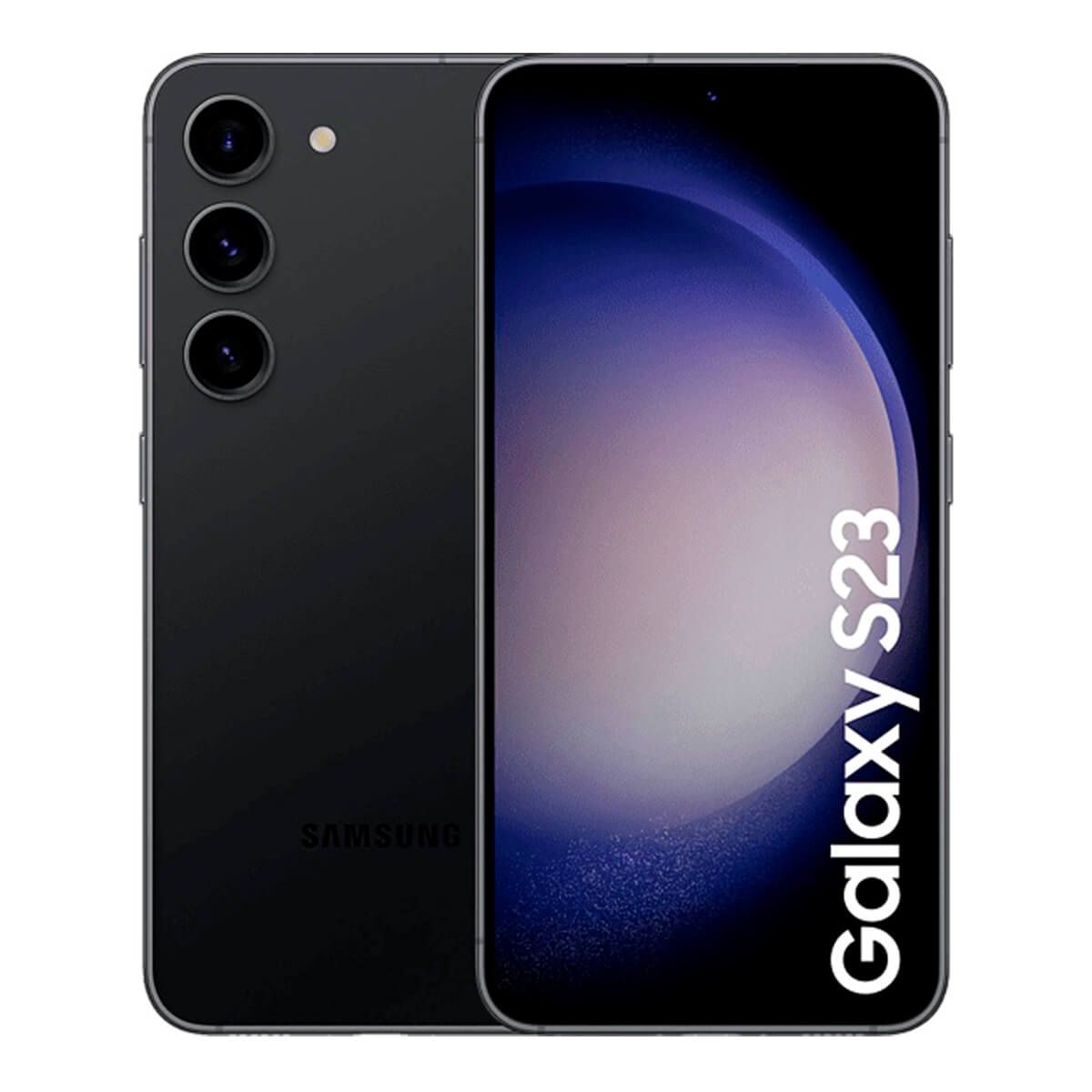
The Samsung Galaxy S II, launched in 2011, marked a significant milestone in the evolution of smartphones. This device not only built upon the foundations laid by its predecessor, the Galaxy S, but also introduced a series of innovative features that set new standards in the market. The Galaxy S II’s journey from conception to launch is a testament to Samsung’s commitment to technological advancement and consumer preferences.
The development of the Galaxy S II began shortly after the launch of the original Galaxy S in 2010. Samsung aimed to enhance its product lineup by addressing consumer feedback and leveraging emerging technology. The device was officially announced at the Mobile World Congress (MWC) in February 2011 and released worldwide in April of the same year. With its introduction, Samsung sought to solidify its position in the competitive smartphone market alongside giants like Apple and HTC.
Key Features of Samsung Galaxy S II
The Galaxy S II distinguished itself from its predecessor and competitors through various innovative features. These enhancements not only appealed to consumers but also played a pivotal role in shaping the future of smartphones. The following points highlight the key features that set the Galaxy S II apart:
- Display: The Galaxy S II featured a 4.3-inch Super AMOLED Plus display, offering vibrant colors and deep blacks. This was a significant upgrade from the 4.0-inch display of the original Galaxy S, providing a more immersive viewing experience.
- Processor: Equipped with a dual-core 1.2 GHz processor, the Galaxy S II provided faster performance and improved multitasking capabilities compared to its single-core predecessor. This made it one of the fastest smartphones available at the time.
- Camera: The device included an 8-megapixel rear camera with features like autofocus and LED flash, along with a 2-megapixel front camera for video calls. The camera enhancements allowed users to capture high-quality images and videos.
- Design: With a sleek and lightweight design, the Galaxy S II was more portable than many competitors. Its 8.49mm thickness and premium materials contributed to a modern aesthetic that appealed to a wide audience.
- Battery Life: A 1650 mAh battery powered the device, offering improved battery life compared to its predecessor, allowing users to stay connected longer without frequent recharges.
- Software: The Galaxy S II initially ran on Android 2.3 (Gingerbread) and was later upgradable to Android 4.1 (Jelly Bean), providing users with access to new features and improved performance over time.
The Samsung Galaxy S II was pivotal in elevating the smartphone experience, setting a benchmark in design and performance that competitors aspired to match.
Impact on the Smartphone Market
The launch of the Galaxy S II had a profound impact on the smartphone market, establishing Samsung as a formidable player against established brands like Apple. The device’s success can be attributed to several factors that resonated with consumers and influenced market trends.
The Galaxy S II was one of the first smartphones to popularize the dual-core processor, setting a new standard for performance. Its impressive specifications helped shift consumer expectations towards faster, more capable devices. Additionally, the integration of features such as a high-quality camera and vibrant display became essential selling points for smartphones in subsequent years.
Samsung’s marketing strategy also played a crucial role in the Galaxy S II’s success. The company effectively positioned the device as a premium offering, appealing to tech-savvy consumers who sought cutting-edge technology. This approach not only enhanced brand loyalty but also contributed to Samsung’s overall market growth.
Moreover, the Galaxy S II’s success paved the way for subsequent models in the Galaxy S series, each iteration building on the innovations introduced with the S II. This legacy of continuous improvement has solidified Samsung’s reputation as a leader in the smartphone market, influencing other manufacturers to follow suit in raising their product standards.
Overall, the Samsung Galaxy S II was not just an evolutionary step for the company; it was a revolutionary device that redefined consumer expectations and set the stage for the future of smartphones.
Technical Specifications: Samsung Galaxy S Ii
The Samsung Galaxy S II was a seminal device in the smartphone arena, blending cutting-edge technology with user-friendly features. Its specifications not only highlighted the advancements in mobile technology at the time, but also set a benchmark for future smartphones.
The Galaxy S II boasted impressive specifications that made it stand out in a competitive market. Below are the key technical specifications that defined this flagship device:
Key Technical Specifications
The specifications of the Galaxy S II reflect its powerful performance and capabilities, making it a favorite among users. Here’s a detailed breakdown:
| Feature | Specifications |
|---|---|
| Processor | 1.2 GHz Dual-Core ARM Cortex-A9 |
| Display | 4.3 inches Super AMOLED Plus, 480 x 800 pixels |
| Camera | 8 MP rear camera with LED flash, 2 MP front camera |
| RAM | 1 GB |
| Storage | 16/32 GB, expandable via microSD (up to 32 GB) |
| Battery | 1650 mAh removable battery |
| Operating System | Initially shipped with Android 2.3 (Gingerbread), upgradeable to 4.1.2 (Jelly Bean) |
The Samsung Galaxy S II also introduced several software features that enhanced user experience significantly.
Software Features
The software innovations that accompanied the Galaxy S II included:
– TouchWiz UI: A customized user interface that provided a unique look and improved usability with widgets and shortcuts.
– Smart Stay: A feature that used the front-facing camera to detect whether the user was looking at the screen, preventing the display from timing out.
– Multi-Window Support: Allowed users to run multiple applications simultaneously for enhanced multitasking.
– Face Unlock: A security feature that enabled unlocking the device using facial recognition, adding a layer of convenience.
Performance Comparison
In terms of performance, the Galaxy S II was a frontrunner among its contemporaries. When compared to other smartphones released around the same time, it demonstrated remarkable speed and efficiency.
Key competitors included:
– HTC Sensation: Featured a similar dual-core processor but often lagged behind in terms of software optimization.
– Nokia Lumia 800: While it offered a unique design and Windows Phone experience, it lacked the raw processing power and app ecosystem of the Galaxy S II.
– Apple iPhone 4S: Though it had a powerful A5 chip, the Galaxy S II provided a larger display and expandable storage, appealing to a broader user base.
With its robust specifications and innovative software features, the Samsung Galaxy S II not only excelled in performance but also left a lasting impact on the smartphone market.
User Experience and Reception
The Samsung Galaxy S II quickly garnered attention from tech enthusiasts and average consumers alike upon its release. Early reviews painted a picture of a device that was not only powerful but also user-friendly, setting a new standard for smartphones. A blend of cutting-edge features and sleek design contributed to its widespread popularity.
User feedback revealed a range of experiences that highlighted both the strengths and weaknesses of the Galaxy S II. Analyzing reviews from various platforms provides insight into how the device was received by early adopters and what aspects stood out most to them.
User Reviews and Feedback Analysis
The user experience with the Galaxy S II was largely positive, with many praising its performance and design. A comprehensive analysis of user feedback reflects the following aspects:
– Performance: Users often highlighted the speed and responsiveness of the device, especially with the dual-core processor that allowed for multitasking without lag.
– Display Quality: The 4.3-inch Super AMOLED Plus screen received accolades for its vibrant colors and sharpness, making media consumption a delightful experience.
– Camera Quality: The 8-megapixel camera was frequently praised for its ability to capture detailed photos even in low-light situations, which was a significant selling point for photography enthusiasts.
However, not all feedback was positive. Some users reported issues that can be categorized as weaknesses:
– Battery Life: Despite the powerful hardware, the battery life was a common concern. Heavy users found themselves needing to recharge more frequently than expected.
– Build Quality: While the design was sleek, some users criticized the use of plastic materials, feeling that it diminished the overall premium feel of the device.
Awards and Recognitions
The Samsung Galaxy S II not only received acclaim from users but also garnered numerous awards and recognitions post-launch. These accolades reflect its impact on the smartphone market and its innovation at the time. Some notable mentions include:
– Best Smartphone of 2011: The Galaxy S II was awarded by multiple tech publications for its groundbreaking features and user-friendly interface.
– Consumer Electronics Show (CES) 2011: The device won awards for its design and technology, showcasing Samsung’s commitment to excellence in mobile devices.
– GSM Association (GSMA) Awards: It was recognized as the “Best Mobile Handset” in 2012, further solidifying its status as a top contender in the smartphone industry.
Overall, the Samsung Galaxy S II was a pioneering device that left a lasting impression on both users and critics alike, with its blend of functionality, design, and performance being its standout features.
Legacy and Influence
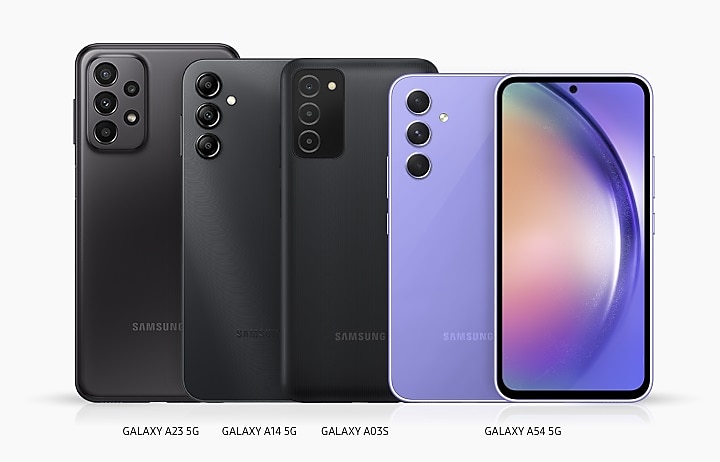
The Samsung Galaxy S II has made a profound impact on the smartphone industry, shaping the direction of both Samsung’s own line and the broader market. Launched in 2011, this device set new standards in performance, design, and user interface, all of which have reverberated through subsequent generations of smartphones.
The Galaxy S II’s influence can be seen in various aspects of modern smartphones, particularly within Samsung’s Galaxy series. Its design philosophy introduced a balance of aesthetics and functionality, which has become a hallmark of the brand. The device was pivotal in popularizing features that are now considered essential in contemporary smartphones.
Design Elements and Features, Samsung galaxy s ii
The Galaxy S II introduced several design elements and features that have persisted in modern smartphones. Understanding these aspects highlights the device’s long-lasting influence on the industry.
- Slim Profile and Lightweight Design: The Galaxy S II was notably thinner than most competing devices at the time, prompting manufacturers to prioritize sleek designs in their subsequent models.
- Super AMOLED Display: This technology, first utilized in the Galaxy S II, has set a standard for vibrant colors and deep blacks, leading to its adoption in many modern smartphones.
- TouchWiz UI: The user interface enhancements introduced with the Galaxy S II laid the groundwork for future iterations of TouchWiz and later One UI, focusing on user-friendly navigation and customization.
- Physical Button Layout: The arrangement of buttons, including the home button, volume rockers, and power button, established a layout that has influenced the design of many smartphones that followed.
Influence on Competitor Designs
The design and features of the Galaxy S II inspired not just Samsung’s subsequent models but also rival manufacturers striving to capture market share in the rapidly evolving smartphone landscape. The device’s popularity and acclaim prompted competitors to adopt similar strategies and functionalities.
The response from competitors can be framed around several key areas:
- High-Resolution Cameras: Following the Galaxy S II’s impressive camera capabilities, brands like Apple and HTC began enhancing their camera technologies, leading to the critical importance of camera quality in flagship smartphones today.
- Lightweight Materials: The use of plastic and other lightweight materials in the Galaxy S II informed the design choices of rivals, pushing them towards similar construction methods that balanced durability with portability.
- App Ecosystem and Software Optimization: The success of the Galaxy S II’s ecosystem encouraged competitors to invest heavily in their software environments, leading to more robust app support across the board.
- Battery Life and Efficiency: The Galaxy S II’s efficient use of battery power inspired other manufacturers to improve battery management in their devices, responding to consumer demands for longer-lasting smartphones.
The legacy of the Samsung Galaxy S II is undeniable, serving as a benchmark in both design and performance that continues to influence the smartphone market today. Its contribution to the evolution of mobile technology underscores the significant role it played in shaping user expectations and industry standards.
General Inquiries
What year was the samsung galaxy s ii released?
The samsung galaxy s ii was released in 2011.
What were the main competitors of the samsung galaxy s ii?
Key competitors included the iPhone 4S and HTC Sensation.
What operating system did the samsung galaxy s ii run?
It originally ran on Android 2.3 Gingerbread and was later upgradable to Android 4.1 Jelly Bean.
How was the camera quality of the samsung galaxy s ii?
The device featured an 8 MP rear camera, which was considered excellent for its time.
Did the samsung galaxy s ii receive any awards?
Yes, it received multiple awards, including the GSMA award for Best Smartphone in 2012.
The Samsung Galaxy S 4 was a game-changer in the smartphone industry, boasting features like a stunning display and advanced camera capabilities. Its lightweight design and user-friendly interface made it a popular choice among tech enthusiasts. The device set high standards for future Samsung models, influencing design and functionality for years to come.
Released amidst much anticipation, the Samsung Galaxy Note 7 aimed to redefine the phablet experience with its sleek design and innovative features. Unfortunately, it became notorious for safety issues that overshadowed its otherwise impressive performance. Despite this, the Note 7’s legacy continues to impact subsequent devices in the Galaxy Note series.